Expert Analysis Overview
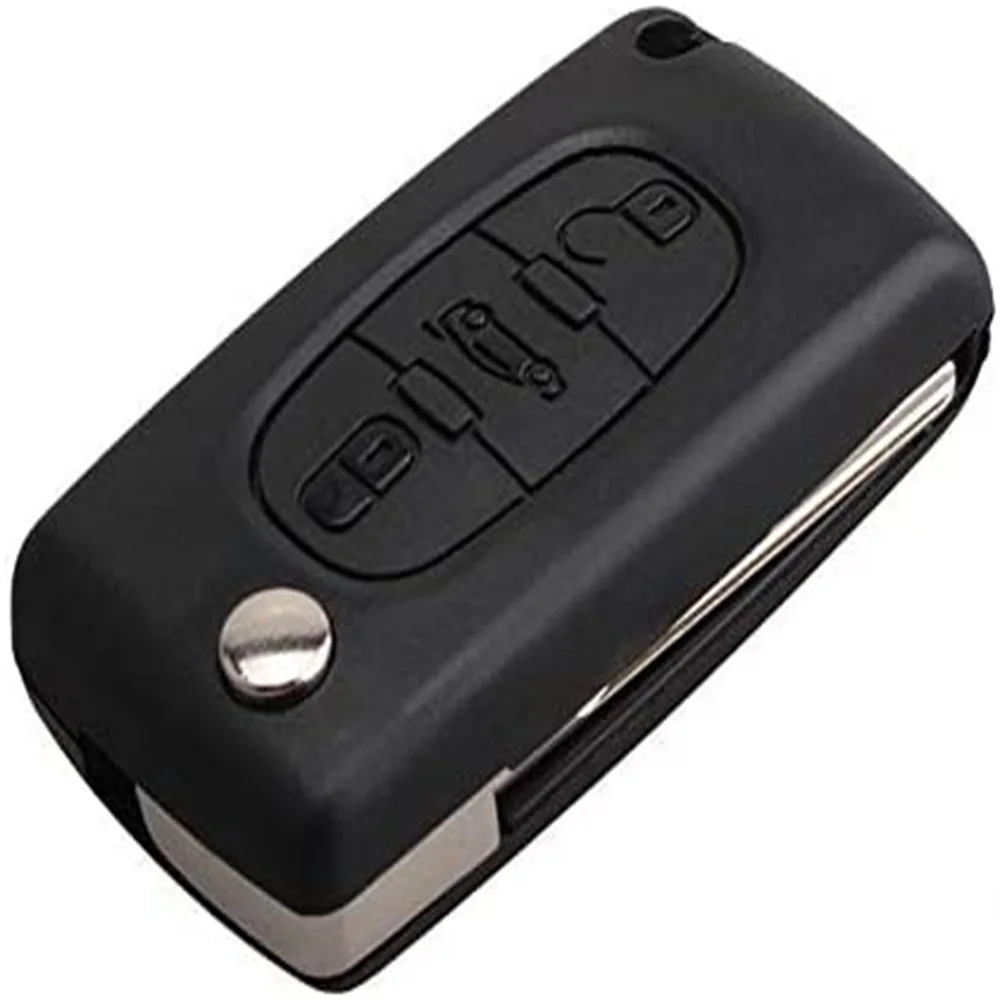
Reversing the Structural Decay of PSA Group Key Fobs\n\nThe HeartHorse 3-Button Flip Key Shell is a precision-engineered structural replacement housing designed to rectify the inevitable mechanical failure of aging Peugeot and Citroen remote fobs. Over time, the factory-issued ABS housing undergoes polymer degradation due to ultraviolet exposure and thermal cycling inside vehicle cabins. This leads to brittle plastic, cracked button pads, and a failed hinge mechanism. This shell serves as a definitive fix. It provides a dense, impact-resistant environment for your existing printed circuit board (PCB) and transponder chip. \n\nThe fit is tight. There is zero rattle. The construction utilizes high-density injection-molded ABS, which offers superior torsional rigidity compared to generic entry-level replacements. The matte texture provides an enhanced tactile grip, ensuring the key remains secure in hand even in humid conditions. This is not merely a cosmetic cover; it is a restoration of mechanical utility.\n\nAnatomy of the HU83 and VA2 Blade Variants\n\nSelecting the correct blade geometry is critical for ignition cylinder compatibility. The HU83 blade is distinguished by two prominent side grooves running along its length. These grooves interface with the tumblers in the ignition lock to allow rotation. Conversely, the VA2 blade features a smooth, flat profile. Choose the right one. A mismatched blade profile cannot be cut to fit a different lock cylinder. Both blades are manufactured from a high-quality copper-nickel alloy. This material resists corrosion. It also provides a smooth glide through the lock wafers. Precision is mandatory here.\n\n### The Critical CE0536 versus CE0523 Architecture\n\nInternal layout varies significantly between model years. The CE0536 housing includes an integrated battery holder within the shell itself. This is common in later production runs. The CE0523 variant lacks this internal holder. It relies on the battery being mounted directly to the PCB. Check your battery. If the battery sits in the plastic back, order the 0536. If it sits on the board, the 0523 is required. Forcing a PCB into the wrong shell variant leads to button misalignment or board stress. The internal pillars must align with the micro-switches.\n\n### Precision in the Torsion Spring Assembly\n\nThe flip mechanism is the most complex actuator in the device. It relies on a high-tensile steel torsion spring to deploy the blade with a satisfying, high-velocity snap. The spring seat in this HeartHorse model is reinforced to prevent the common issue of the spring 'jumping' its anchor point. A loose blade is useless. When assembling, one must apply a pre-load rotation to the spring. This ensures the blade remains locked in the closed position and deploys with sufficient force. The metal hinge pin is machined to tight tolerances. It eliminates the lateral wobble found in cheaper housings. Friction is kept minimal. The movement is fluid.\n\n### Structural Integrity and the ABS Advantage\n\nThe housing's thickness is a primary indicator of quality. Thin shells flex under the pressure of starting a car. This flex can eventually crack the solder joints on the internal PCB. These shells use a thicker wall profile. It protects the delicate electronic core. The button pads are molded from a medium-shore hardness elastomer. They provide a distinct 'click' sensation when pressed. Tactile feedback is essential. It confirms the signal transmission without needing to look at the vehicle's indicators. The matte finish resists oils and dirt. Cleanliness is maintained effortlessly.\n\n### Executing the Internal Component Migration\n\nTransferring the internals requires patience and a steady hand. The most critical component is the small, black transponder chip. It is often located in a corner slot near the blade hinge. Do not lose it. Without this chip, the engine will not start due to the immobilizer system. Use a plastic pry tool to open the old case. Gently lift the PCB. Ensure the battery contacts are not bent during the move. Place the board into the new shell. Snap the halves together. Tighten the small screw if provided. The process is mechanical. It is straightforward.\n\n### Economic Viability of Mechanical Overhauls\n\nDealerships often charge hundreds of dollars for a full key replacement and programming. This is an unnecessary expense if the electronic board still functions. By spending a few dollars on a high-quality shell, the life of the key is extended by several years. The ROI is massive. This product allows the owner to bypass the proprietary costs of the automotive locksmith industry. It is a smart repair. It is highly efficient. The shell is the sacrificial layer that protects the expensive electronics within. Replace it early. Avoid the hassle of a broken key in a lock cylinder.\n\n### Tactical Observations of the Button Interface\n\nThe three buttons are clearly marked for lock, unlock, and trunk/light functions. The icons are recessed to prevent fading from repeated thumb contact. The central button—typically the trunk or light function—is positioned slightly lower than the main lock/unlock buttons. This prevents accidental activation while the key is in a pocket. The switch actuators inside the shell are shaped to concentrate pressure directly onto the PCB switches. No dead zones exist. The actuation force required is consistent across all three points. This consistency speaks to high manufacturing standards. Reliability is the result.\n\n### Longevity and Environmental Resistance\n\nAutomotive keys endure extreme environments. From freezing winter mornings to scorching summer dashboards, the plastic must hold up. This shell is rated for high thermal stability. It will not warp under standard operating conditions. The seams are tight. This offers a degree of protection against minor splashes and dust ingress. While not fully waterproof, it is a significant barrier for the electronics. The metal components are plated to prevent oxidation. The key will stay functional for a decade. This is built to last.\n\n### Future Benefits of Ownership\n\nConsider the satisfaction of a key that functions as it did on the day the vehicle left the showroom. The blade snaps open with a crisp mechanical report. Each button press provides a firm, reassuring response that your vehicle is secure. No more fumbling with sticky rubber or taped-together plastic cases. The smooth, clean exterior feels professional and reliable in the palm. You regain total control over your vehicle's access system with a tool that reflects the care you put into maintenance. It is a small upgrade that significantly improves the daily interaction with your car. Imagine the confidence of knowing your key will never snap or fail when you are miles from home. You have restored a vital link in your automotive experience.