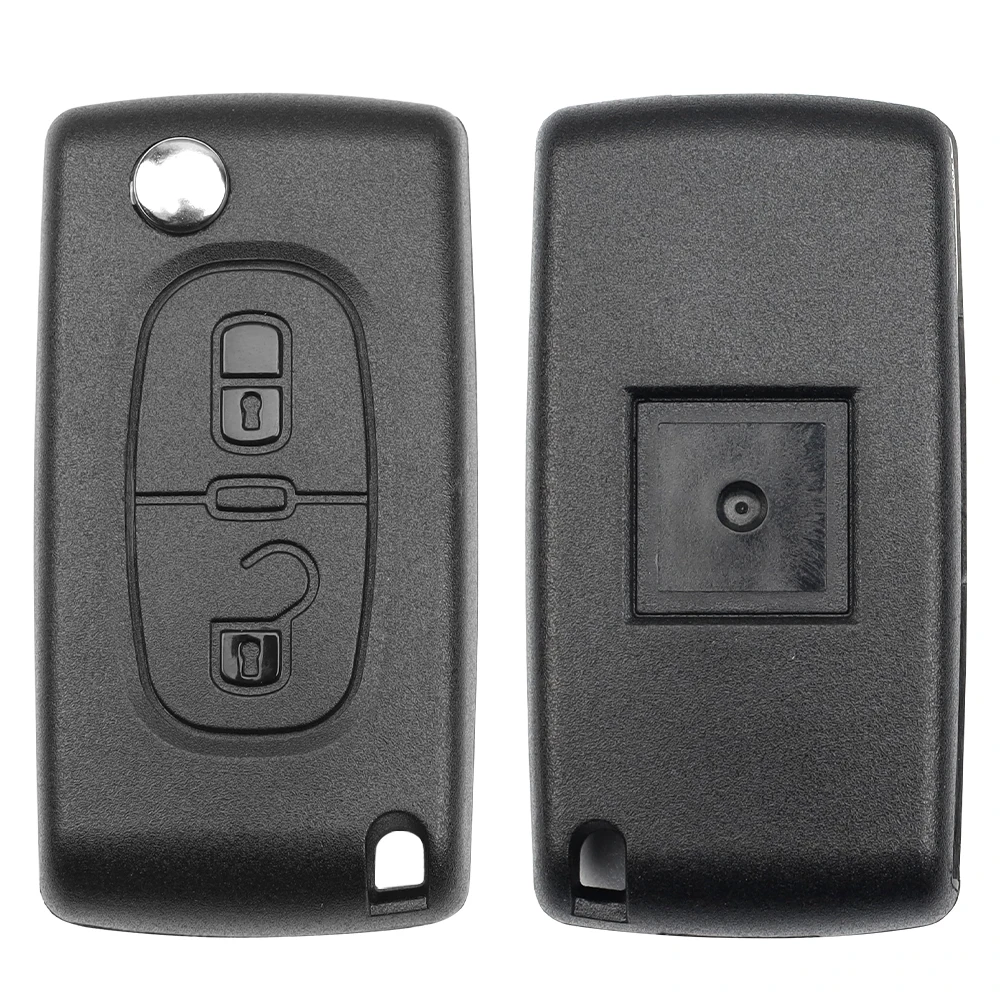
LiXiang Replacement Flip Key Shell for Peugeot and Citroen CE0523/0536
Official Store Deal
Expert Analysis Overview
The Crisis of the Snapped Key Housing
The LiXiang Peugeot and Citroen Key Shell is a vital aftermarket housing designed for drivers facing the catastrophic failure of their original remote fobs. A broken car key is a nightmare. This shell offers a path back to convenience. It targets owners of the Peugeot 107, 206, 307, 407, and 408 series, along with Citroen C2 through C6 models. The design replaces brittle OEM plastic with a dense ABS material. It feels solid.
When the original plastic hinge weakens, the blade often hangs limp or snaps off entirely. This results in a useless fob that cannot start the ignition or lock the doors. The LiXiang unit addresses this by providing a reinforced pivot point and a fresh casing. The fit is tight. There are no gaps between the two halves when snapped together. The matte finish resists oils from the skin, preventing that sticky texture common in aging car remotes.
Distinguishing Between CE0523 and CE0536 Architectures
Compatibility hinges on the internal structural layout. The CE0523 and CE0536 variants are not interchangeable. This is a critical point. The CE0523 model is intended for circuit boards where the battery is mounted directly to the electronic PCB. Conversely, the CE0536 model features a battery compartment built into the plastic shell itself.
Visual inspection of the current key is mandatory before purchase. Open the old shell. Look for the battery. If the CR2032 cell stays on the green board when the case is opened, the CE0523 is the correct choice. If the battery remains lodged in the plastic housing, select the CE0536. Mistakes here lead to assembly failure. The internal pillars differ.
Identifying the Correct Blade Profile
The metal blade comes in two distinct profiles: the VA2 and the HU83. The VA2 blade is smooth on the sides without any side grooves. The HU83 blade features a deep lateral groove running down the length of the metal. Blade choice is vital. A locksmith cannot cut a VA2 key if the ignition requires the HU83 pattern.
The metal used in these replacement blades is a sturdy brass alloy with nickel plating. It resists bending. While some users attempt to swap their old blade into the new hinge, the pivot dimensions often vary by fractions of a millimeter. It is usually better to have the new blade cut to match the original. The metal is thick. It takes a clean edge from a laser cutter.
Physical Construction and Tactile Reality
The plastic used is a high-grade ABS composite. It is not hollow. Holding the shell reveals a surprising weight that suggests durability. The silver button that triggers the flip mechanism is made of a zinc alloy. It has a heavy spring tension. The blade snaps open with authority. It does not wobble.
The button pads are made of a soft-touch rubber that is molded into the plastic frame. They provide a distinct tactile click when pressed against the internal micro-switches. This feedback is essential for knowing the signal was sent. The symbols for locking, unlocking, and trunk release are etched into the rubber. They won't wear off easily. The matte texture stays clean.
The Engineering of the Flip Mechanism
Internal spring dynamics dictate the longevity of a flip key. Generic shells often use weak coils that lose tension after a few hundred cycles. The LiXiang shell utilizes a high-tensile steel coil. It provides a crisp action. The pivot assembly is secured by a small roll pin. This keeps the blade centered.
Proper assembly requires pre-loading the spring. One full turn counter-clockwise usually provides the necessary torque. The blade should sit flush when closed. There is a small notch for the thumb to catch. It opens every time.
Navigating the Transponder Migration
The most dangerous part of the repair is the transponder chip. This tiny glass or carbon piece is the heart of the immobilizer system. If it stays in the old shell, the car will crank but never start. The engine remains dead. The LiXiang shell provides a dedicated slot to secure this chip.
Transferring the chip requires a steady hand. It is often glued into the original housing. A drop of rubbing alcohol or gentle heat can loosen the adhesive. Do not crack it. Once moved, the new shell protects it from vibration. The car starts instantly.
Financial Realities and Long-Term Value
Visiting a dealership for a new key often costs hundreds of dollars. They charge for the part, the cutting, and the programming. This shell bypasses those costs. The price is low. For the cost of a cup of coffee, the physical integrity of the key is restored.
Using an old circuit board in a new shell is a smart financial move. The electronics rarely fail; the plastic does. By replacing only the housing, the user maintains the original high-quality PCB. The ROI is immediate. It saves significant money.
Ensuring a Smooth Conversion Process
Success depends on attention to detail. Ensure the tiny metal battery contact from the old shell is moved if using the CE0536 version. Without it, the remote functions will not work. Check the alignment of the buttons before snapping the case shut. The halves lock together firmly.
Once the conversion is complete, the key feels like new. The embarrassment of a taped-together fob disappears. No more digging for a snapped blade. The remote works from a distance again. It fits perfectly.
Imagine the relief of approaching the vehicle and having the key flip open with a sharp, mechanical snap. The buttons respond to a light touch, and the doors click open without hesitation. The key slides into the ignition with zero friction, turning smoothly to bring the engine to life. This shell restores the dignity of the driving experience, ensuring that a simple piece of plastic never stands between the driver and the road again.